A rescue helicopter crew is made up of three people; pilot, critical care paramedic; and paramedic crewperson. Their relationships run deep. They have to.
“When you make it to this level, you’re working with real professionals. There’s no room for ego here.” Critical Care Paramedic Steve Pudney.
The phone rings
When a mission comes in, the crew jump into action.
“Often the whole crew is around the phone so we can all hear the information from dispatch,” says Westpac Rescue Helicopter pilot Tom.
Crewperson Courtney grabs the aviation tablet and punches in gps coordinates.
Steve is concentrating on what specialist equipment the patient may require. If it’s a water job, he’s putting on his wetsuit.
Meanwhile, pilot Tom is reviewing weather and completing helicopter safety checks.
“We’re constantly talking, double checking with each other. That’s what keeps us safe,” Courtney says.
For daytime jobs, they have 10 minutes to get in the air. At night, it’s 20 minutes.
Taking flight
Once the helicopter is out of controlled airspace, crew communication restarts.
“We’re talking about what we need to do, and how we’re going to do it. I’m reading the patient notes and getting any equipment or medicines ready,” Steve says.
Pilot Tom continues crew resource management procedures, discussing issues like potential landing sites, expected hazards, and contingency plans.
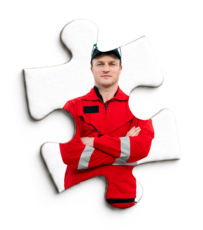
“The helicopter burns four kilos of fuel a minute, so I’m looking at where fuel is, what weather we’re flying into, and what could be on its way.” Pilot, Tom.
The crewperson takes the lead on communicating with external agencies – fire service, Hato Hone St John, Land Search and Rescue, Department of Conservation.
“I’m working out who is coming to the job, where they’re coming from, and how we’re all going to communicate,” Courtney says.
Getting to the patient
Sometimes it’s as simple as landing next to the patient. Other jobs – like winch missions – are far more complex.
“I’m responsible for how we approach a scene, keeping helicopter performance and fly-away options in mind. The helicopter always needs to have an escape route, especially in mountainous areas,” Tom says.
For winch jobs, the crewperson doubles as the winch operator.
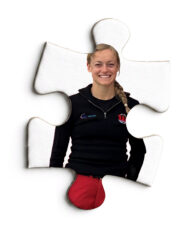
“I’m the only one who can see below the helicopter, where the hook is and where the patient is, so I take the lead. But we make sure the entire crew is happy before we put the critical care paramedic down the wire.” Courtney, Paramedic Crewperson.
The crew use standard “patter” – a term for the specific words they say. Using that patter, Courtney directs the helicopter up, down, left or right.
Hospital bound
It’s all hands on deck to get the patient into the helicopter.
“The pilot supports the paramedic team, getting equipment out of the helicopter or helping get the patient on board,” Courtney says.
The critical care paramedic communicates with the hospital.
“We use standard words and phrases and never use a patient’s name over the radio. Patient privacy always comes first,” Steve says.
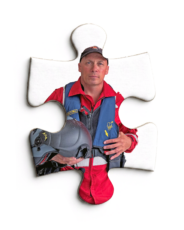
The critical care paramedic manages treatment of the patient onboard the helicopter supported by the crewperson.
“It’s teamwork at its very best. It’s challenging, but the satisfaction you get from a job well done is pretty awesome.” Steve, Critical Care Paramedic.